















Key takeaways
What happens when you gather a group of sharp CX leaders from top B2B SaaS companies around a dinner table? You get honest, unfiltered conversation about where the industry’s headed—and what it’ll take to get there.
At a recent executive dinner hosted by Ask-AI, leaders from companies like Planview, Zscaler, Wonolo, and Mill came together to talk shop. Over the course of the evening, we explored the role of AI in customer experience, the (very real) pain points of knowledge management, and how Support teams are evolving in today’s fast-moving landscape.
Here were the 6 big takeaways:
1. AI Is a Critical Opportunity—But It Needs Deep Context and Careful Design
AI’s potential to transform CX is undeniable. Leaders around the table were energized by its ability to reduce repetitive work, resolve tickets faster, and surface insights. But they were quick to note: generic AI doesn’t cut it.
What we heard:
- AI should learn like a new hire—adapting to company-specific language, tone, and processes.
- Tools trained on public internet data don’t understand internal workflows or cultural nuance.
- The risk of “hallucinations” is high when AI isn’t grounded in current, trusted knowledge.
- Teams want help operationalizing AI—especially when it comes to prompt design and workflow integration.
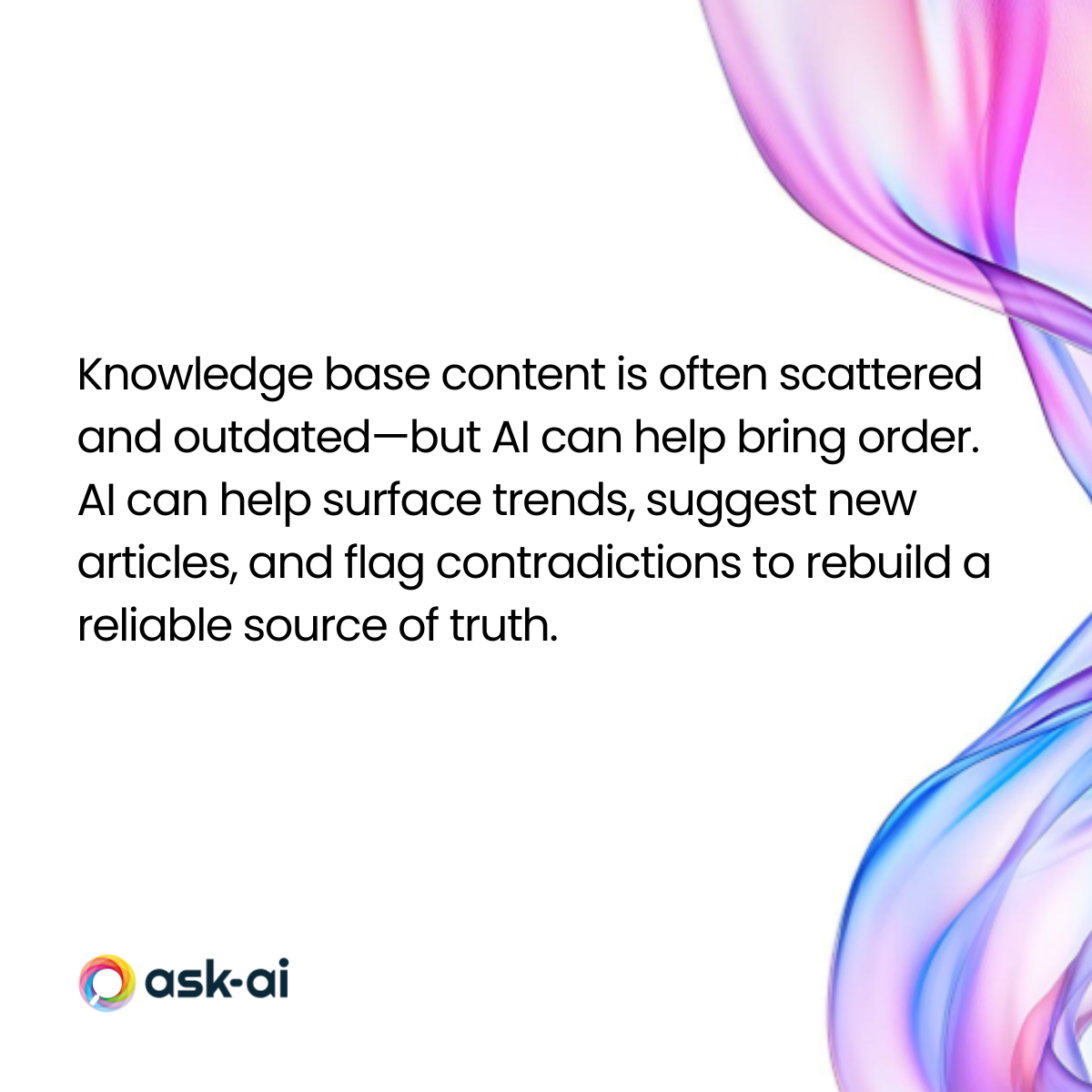
2. Knowledge Management Is Broken—And AI Can Help Fix It
If there was one shared pain point, it was knowledge chaos. Every leader described outdated content, scattered documentation, and the challenge of maintaining a reliable source of truth.
What we heard:
- Support articles are often incomplete, stale, or contradictory.
- Agents don’t have time—or incentive—to maintain knowledge bases.
- AI could:
- Detect recurring tickets that need better documentation
- Propose articles based on case trends
- Flag inconsistencies and contradictions
- Prioritize the most helpful content
- Detect recurring tickets that need better documentation
3. Support and Product Need a Stronger Feedback Loop
Support teams are sitting on gold: real customer feedback. But too often, that insight doesn’t make it to product teams in a way that’s digestible or actionable.
What we heard:
- Product leaders want context-rich summaries, not just ticket volumes.
- Qualitative insights and customer quotes help drive urgency.
- AI can automate executive-ready reports that surface:
- Top issues by volume and impact
- Emerging trends
- Sentiment and verbatim feedback
- Top issues by volume and impact
- Some execs still say “show me the tickets”—AI should make that easy

4. Agent Assist Is No Longer a Nice-to-Have—It’s Expected
Agent-facing AI tools are table stakes. But what’s evolving is how they work—leaders want them to be more seamless, proactive, and deeply embedded in day-to-day workflows.
What we heard:
- Agents are juggling too many tools and tabs.
- They want help in Slack, Zoom, or the ticket itself.
- Dream features included:
- Slack-based knowledge queries
- Auto-drafted Jira tickets and internal handoffs
- AI copilots during live calls
- Context-rich ticket recaps and sentiment alerts
- Slack-based knowledge queries

5. Deflection and ROI Are Still Hard to Measure
Everyone’s tracking CSAT, FCR, and time to resolution—but when it comes to AI-driven deflection and ROI, the metrics get murky.
What we heard:
- It’s tough to measure “the ticket that never happened.”
- Some are experimenting with ticket volume per user or category trends.
- There’s interest in correlating KB improvements to volume dips—but most don’t have the tools.
- One leader said, “We created 3,000 KB articles. Are they helping? No clue.”

6. AI Can’t Replace Empathy—Human Touch Still Wins Complex Cases
While AI shines on high-volume, low-complexity issues, everyone agreed: empathy and nuance still matter. When stakes are high, customers want to feel understood.
What we heard:
- AI needs to know when to hand off.
- Complex or emotionally charged issues require human care.
- Poorly designed bots on sensitive tickets erode trust fast.

Final Thought
“This shift is like the invention of the personal computer—it will permanently change how people work. Most companies don’t realize that yet.”
There’s a clear appetite among CX leaders to evolve—but also real hesitation around risk, complexity, and adoption. The conversation showed that we’re at a turning point—and that thoughtful, context-aware AI has a huge role to play in shaping what’s next.
Thanks to all who joined us in San Francisco. If you’re interested in future CX roundtables or executive dinners, we’d love to hear from you.


.png)